
When the temps drop and the air turns crisp, there’s something special about heading into the field. The marsh quiets, the mornings come slower, and every bit of gear matters more. Whether you’re chasing ducks, scouting deer, or just getting outside for a long weekend away, fall and winter bring a new kind of adventure — and a new kind of preparation.
Here’s how to pack smart and stay ready when the cold front rolls in.
1. Know Your Conditions
Fall and winter in the Lowcountry can keep you guessing, one day you’re peeling off layers, the next you’re wishing you had more. Check the forecast before you leave, but plan for change. Mornings often start in the 30s or 40s, rising to mild afternoons before dropping back again at sunset. Moisture and wind are always in play, so think about breathability, insulation, and weather resistance above all else.
2. Build Your Layering System
The secret to comfort in cold weather isn’t bulk, it’s balance. A smart layering system keeps you warm without overheating and lets you adjust on the fly as conditions change.
Base Layer: Start with something lightweight and moisture-wicking. This first layer keeps sweat off your skin so you stay dry and warm all day.
Mid Layer: This is your insulation — a fleece or mid-weight pullover that traps heat without feeling heavy. If you’re moving a lot, go lighter; if you’re sitting in a blind or stand, go thicker.
Outer Layer: Top it off with something weather-resistant. Look for a windproof or water-repellent jacket that can handle mist, spray, or light rain without weighing you down.
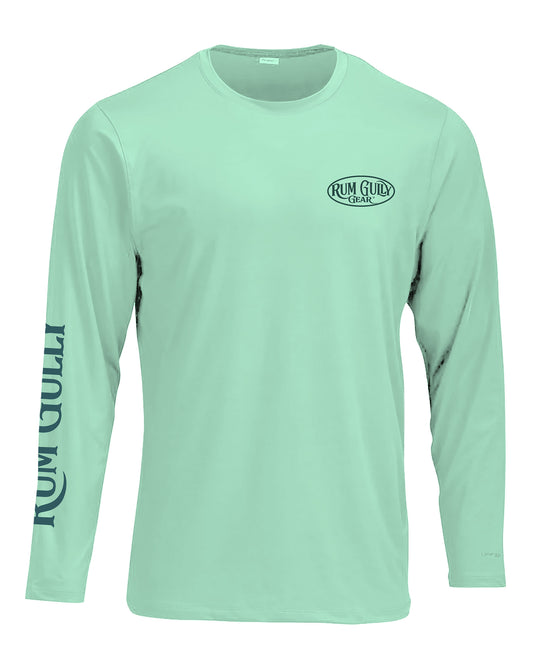
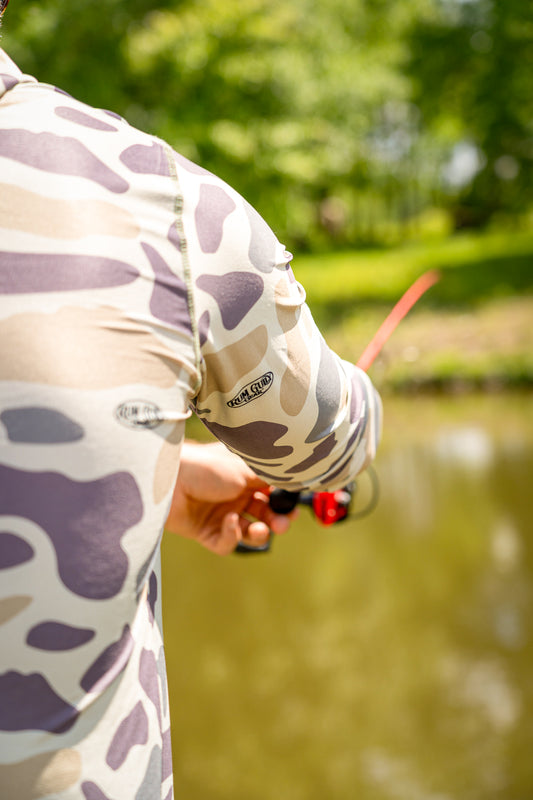
💡 Pro tip: Mix and match vented pieces like the Crosswind Long Sleeve under an insulated vest or jacket. The airflow and quick-dry comfort make it a perfect base for active cold-weather days.
3. Gear Up from the Waist Down
Cold legs can ruin a long day fast. Opt for durable, weather-resistant pants that can handle mud, tall grass, and changing temps. A breathable design helps when the sun breaks through.
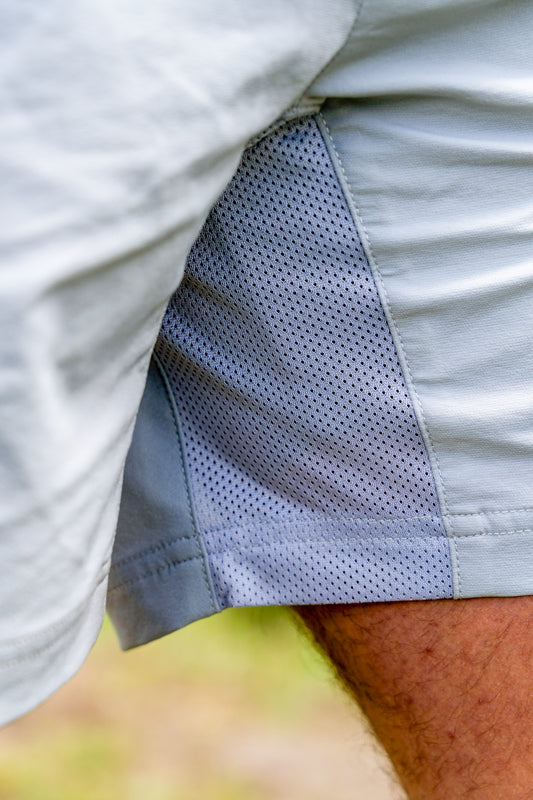
When it comes to shorts — yes, even in cooler months — pack a pair like the Crosscurrent Shorts for downtime at camp or layering over compression for early-morning runs to set decoys.
Don’t forget waterproof boots with solid traction, and bring extra socks (you’ll thank yourself later).
4. Accessorize for the Elements
Sometimes it’s the small things that make or break the day.
- Headwear: A beanie or brimmed cap keeps warmth in and sun out.
- Gloves: Look for lightweight, flexible gloves that still let you handle gear.
- Neck gaiter or buff: Adds warmth without bulk and doubles as wind protection.
- Headlamp or flashlight: Shorter days mean early mornings and darker evenings — light up your path.
-
Hand warmers + thermos: Trust us, you’ll want both.
5. Keep the Essentials Close
A good field pack should hold everything you need and nothing you don’t. Pack layers you can add or remove, snacks for energy, a first-aid kit, and a dry bag for valuables. If you’re planning to camp, bring an extra tarp or ground cloth for wet conditions.
Stay Ready for the Season
As the temps drop and the adventures shift, your gear should move with you. From vented shirts to durable outerwear, Rum Gully Gear is built for comfort through every change in the weather.